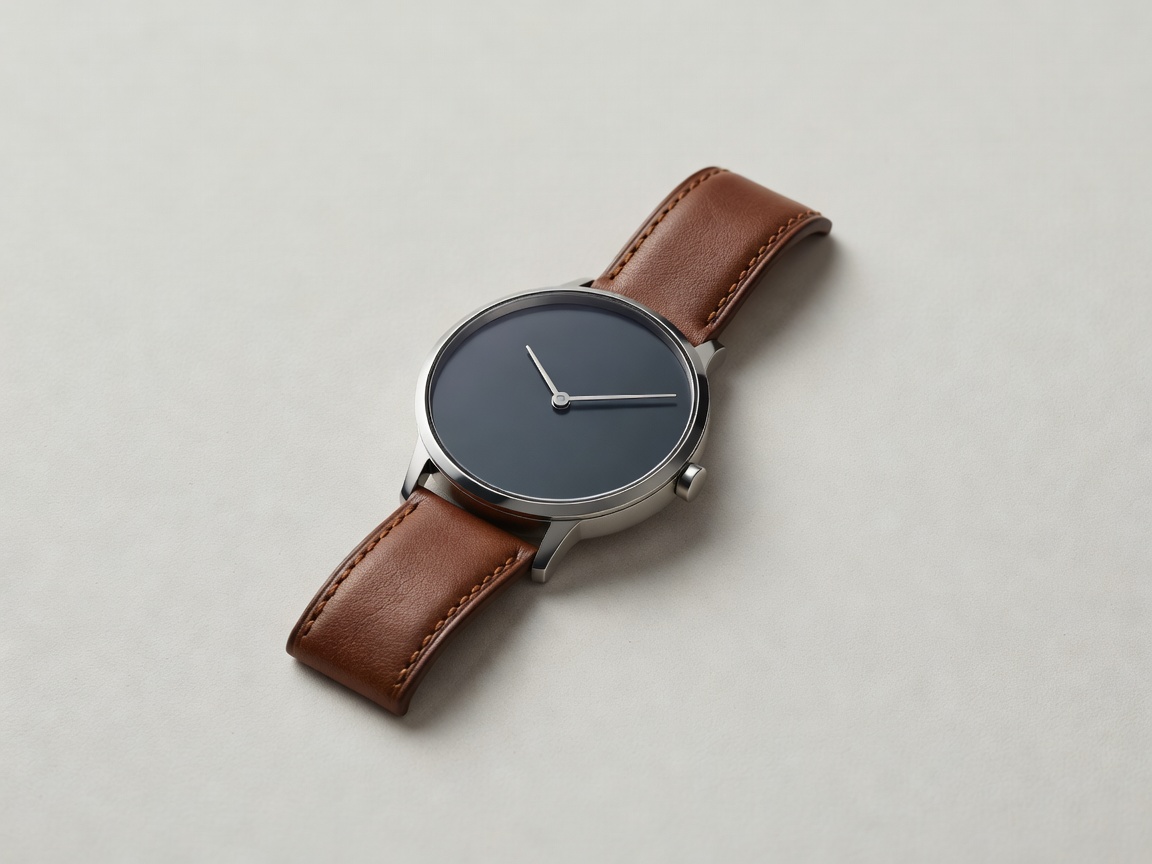
A sports watch can be a session timer, a route recorder, a heart-rate display and—if you want it to—a wrist-sized extension of your phone. That mix is handy, but it can also make comparisons feel like a feature-counting contest. A better starting point is to identify your activities, the information you use and the compromises you’re comfortable making.
Daily smartwatch or training-first watch?
General-purpose smartwatches usually put everyday interaction near the centre: notifications, apps, a bright display and convenient access to phone features. Training-first watches tend to emphasize session controls, sports profiles, outdoor navigation and longer stretches of recording. These are broad categories, not rigid rules; individual models vary, and some sit comfortably between them.
The trade-off often comes down to priorities. A lively, high-detail display can be pleasant to read and use, while simpler screens may suit people who value glanceable information or want to think carefully about power use. Before buying, check the actual manufacturer’s specifications for display behaviour, operating modes, supported activities, phone compatibility and software support. A feature name alone doesn’t tell you how it works in practice.
What the common training features do
Wrist-based heart-rate features use optical sensing to estimate pulse from changes in light returning from tissue. GPS tracking uses satellite signals to estimate position over time; the watch can use those points to calculate pace and distance. Elevation may come from satellite position, a pressure sensor, mapping data or a combination, depending on the device. Each result has its own sources of uncertainty.
Training-session tools may let you structure intervals, follow prompts or review a session afterwards. Navigation features range from a simple recorded breadcrumb to maps and turn guidance. Those functions can be valuable outdoors, but the screen size, controls, route preparation and visibility in changing light all matter. Try to picture using them with cold hands, sweat on the screen or a quick glance between efforts—not just on a tidy product page.
Comfort, battery and everyday use
A watch you’re happy to wear is more useful than a feature-rich one that stays in a drawer. Case size, weight, strap material, clasp and how easily the band can be cleaned all affect comfort. A snug fit helps wrist optical sensors maintain contact during activity; too tight can be unpleasant, and too loose can allow movement. Skin sensitivity and personal preference count, too.
Battery life depends on how a device is configured and used: display settings, GPS recording, notifications, connected sensors and software can all play a part. Instead of relying on a headline figure, look for manufacturer guidance that matches your likely use. Consider how often you’re willing to charge, whether charging fits your routine and what features are reduced in lower-power modes.
Water resistance is a specification category, not a universal promise for every situation. Check the device’s own stated rating and activity guidance before using it in water. Screen readability outdoors, button operation, data synchronization and whether you can export or access your training history are similarly practical considerations. If you use other equipment, check compatibility rather than assuming every watch connects to every sensor or app.
Advantages and limitations
Potential advantages
- Combines session timing, activity recording and selected training features.
- Can make route and workout history easier to review.
- Wrist access may be more convenient than carrying a separate device.
Keep in mind
- Wrist measurements can be affected by fit, movement and activity.
- Feature availability and software support vary by model and may change.
- More data isn’t automatically more useful—or more accurate.
Good for
People who want a wearable record of regular sessions, quick access to selected metrics or outdoor route tools. A simpler watch or phone may be enough if you only need basic timing and occasional activity records.
What to know before choosing
Write down the activities you do, the features you’ll use, the data you want to access and the charging routine you’ll tolerate. Check current manufacturer specifications for fit, water guidance, compatibility, navigation, data export and long-term software support. Features vary between models, so verify the exact device rather than assuming that every watch in a category behaves the same way.
Keep perspective: a watch can support training decisions, but it isn’t a medical device by default. For health concerns, speak with a qualified health professional.